
Septic System Financing: Loans and Grants for Repair or Replacement
Septic loans and grants exist, but most are for rural or lower-income owners, and the limits are modest. Here’s what each program covers and who qualifies.

Septic loans and grants exist, but most are for rural or lower-income owners, and the limits are modest. Here’s what each program covers and who qualifies.
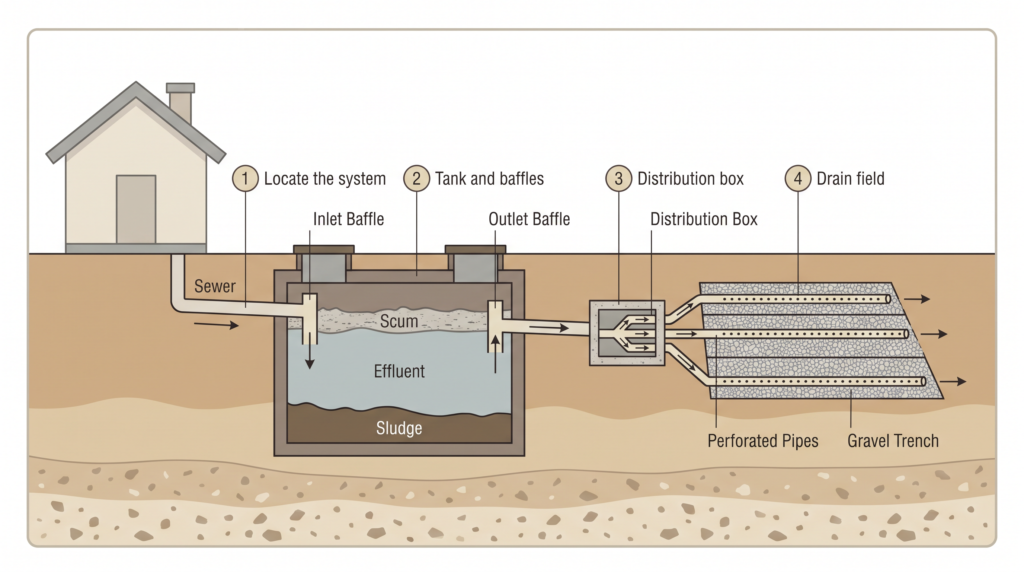
A real septic inspection opens the tank and tests the drain field. A walk across the yard doesn’t count. Here’s each step and what the inspector looks for.

A sewage smell indoors comes from your plumbing or your septic system. Where and when you notice it, and what else is going on, tells you which one to chase.
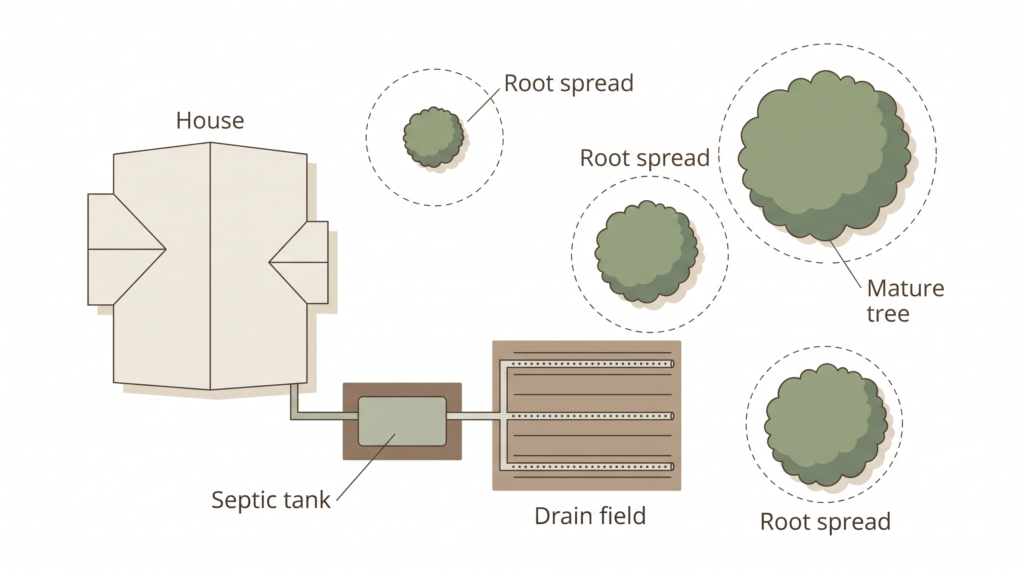
There’s no single safe distance for a tree near a septic system. The rule that works is the root spread of the grown tree. Here’s how to work it out for yours.
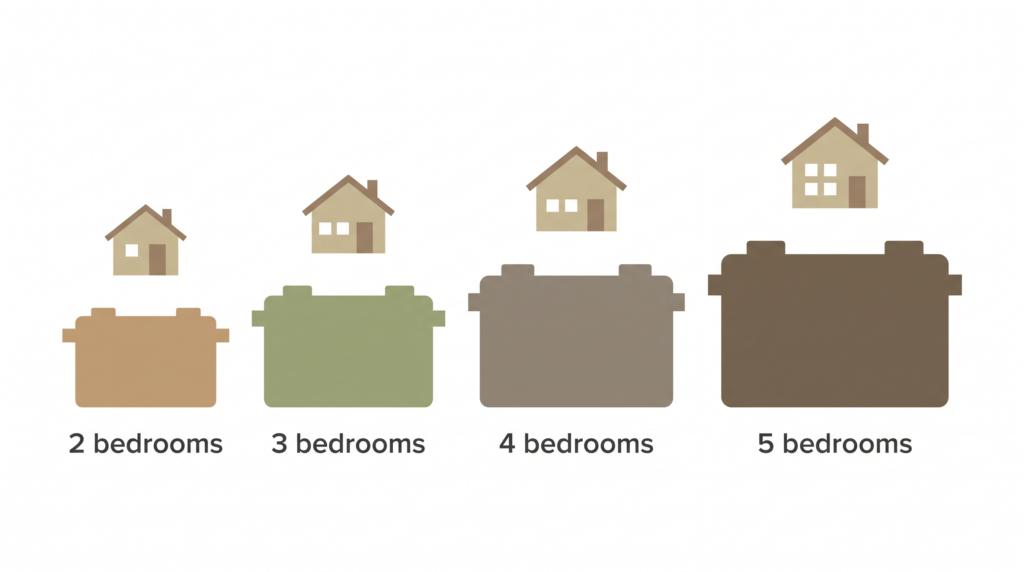
Septic tanks are sized by bedroom count under state or county rules, not square footage. A chart from two states’ codes, and how to find your own tank size.
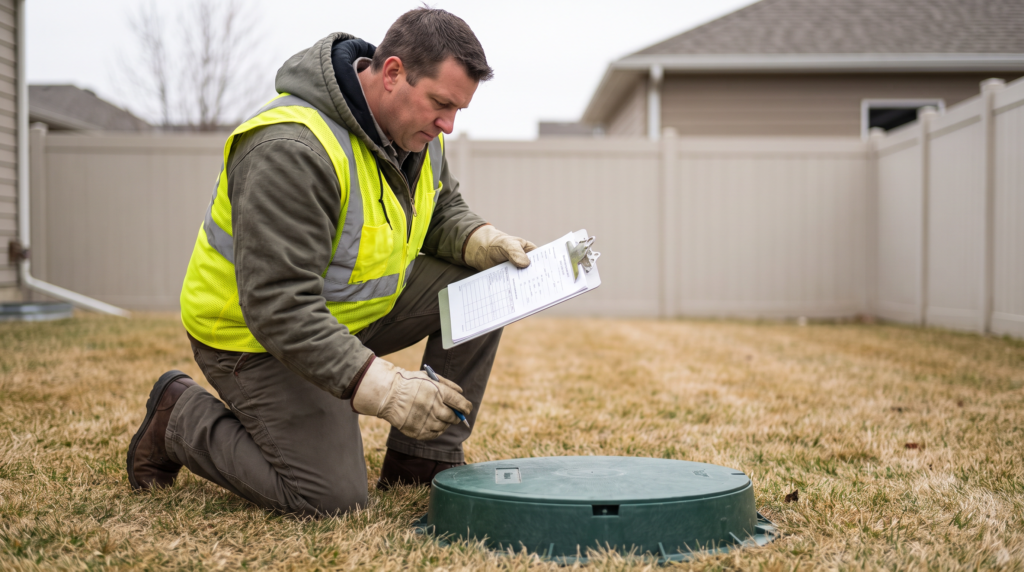
A failed septic inspection rarely ends a sale. What matters is what failed, whether it can be repaired, and who pays. How to read the result and what’s next.

There’s no national rule. Where the county requires an inspection at sale, the seller usually arranges it. Everywhere else, the contract decides. Here’s how.
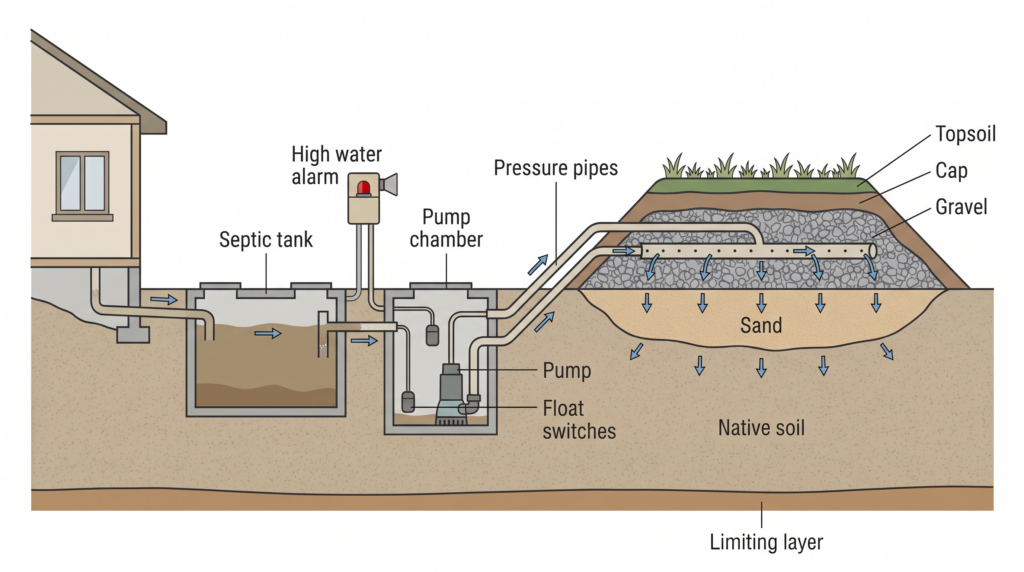
A mound septic system builds its drain field above ground in sand, with a pump dosing it. Here’s how it works, when it’s required, and how to live with one.
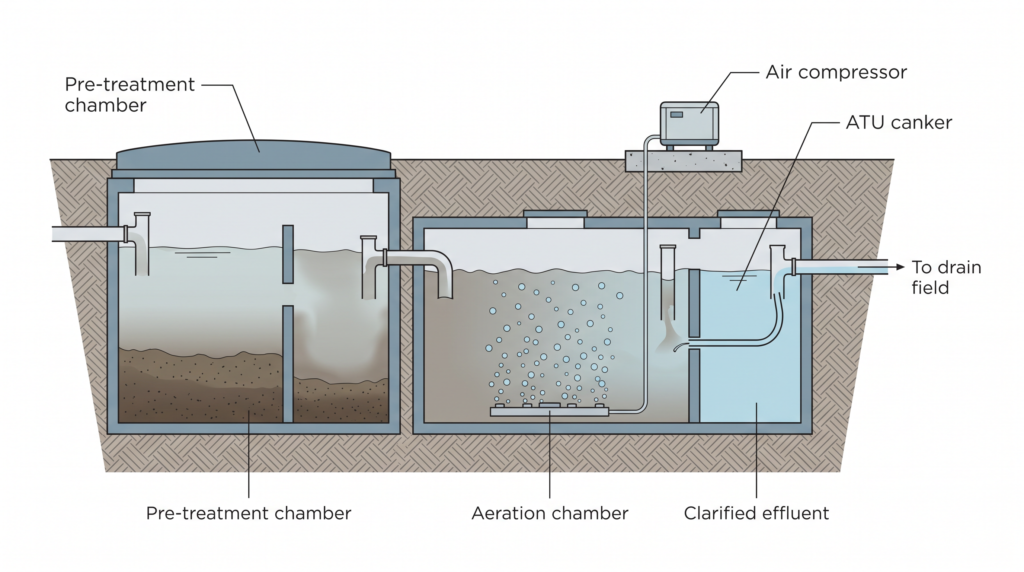
An ATU cleans wastewater better than a regular septic tank, but it runs on electricity and often comes with a service contract you can’t drop. What to expect.
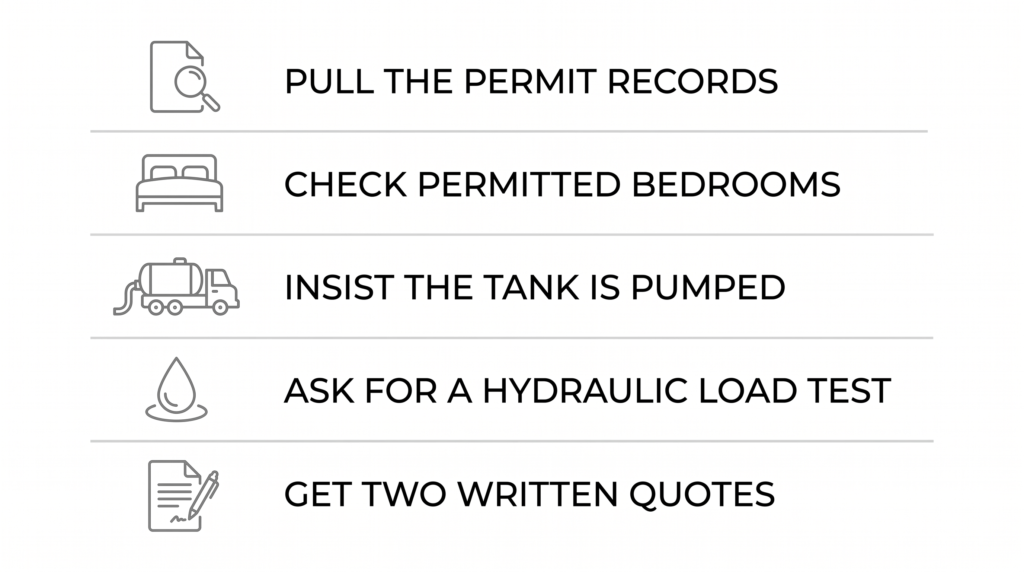
A standard home inspection does not cover the septic system. Here’s what a real septic inspection includes, what records to pull, and the questions that protect you.