
Sewage Smell in the House? Plumbing or Septic, and How to Tell
A sewage smell indoors comes from your plumbing or your septic system. Where and when you notice it, and what else is going on, tells you which one to chase.
Alarms, odors, backups, and wet spots. What each symptom means and when to call a professional.
A sewage smell indoors comes from your plumbing or your septic system. Where and when you notice it, and what else is going on, tells you which one to chase.
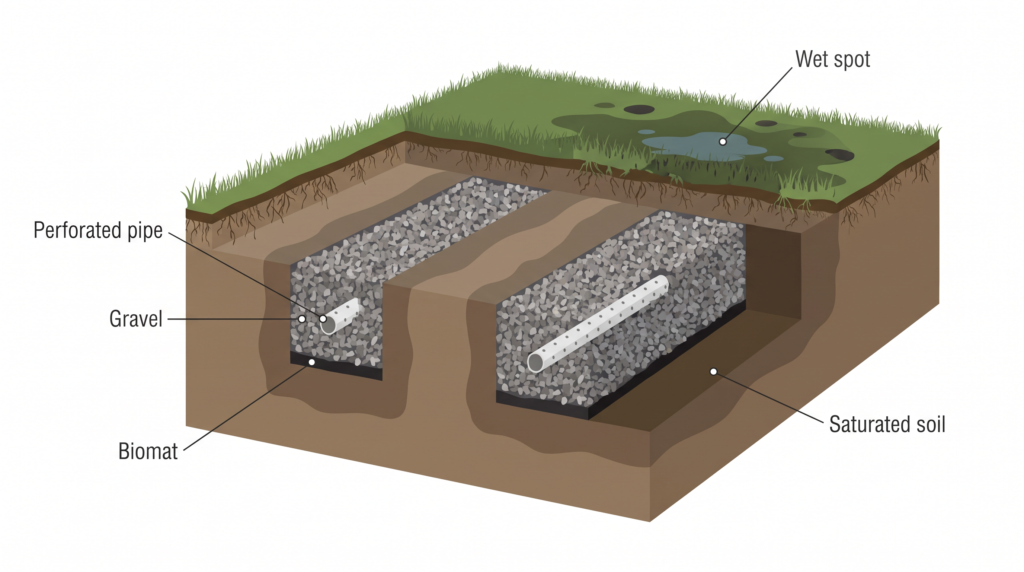
Half the internet says a failed drain field can be repaired and half says it can’t. Both are right, and which one applies to you comes down to why it failed.
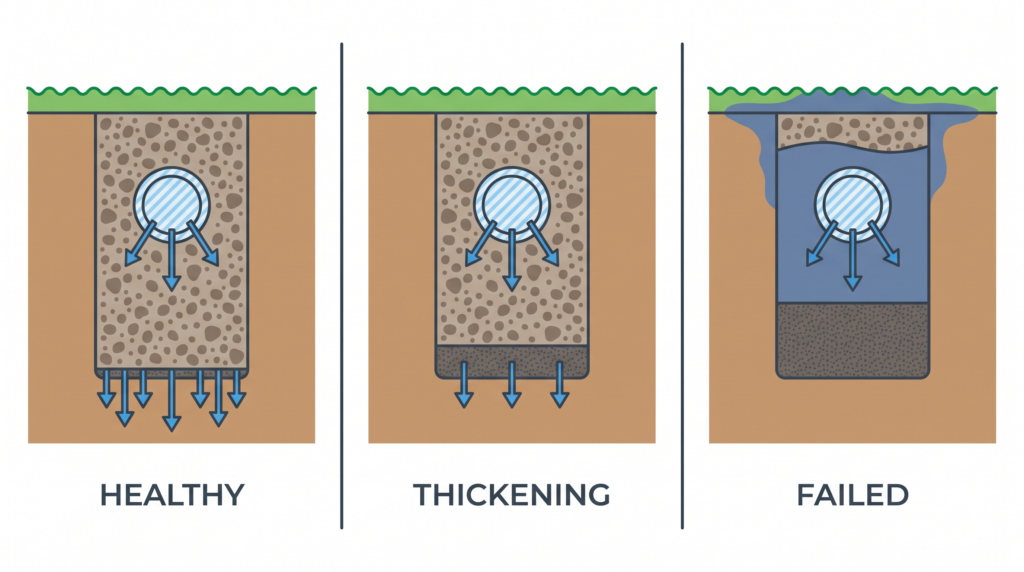
A drain field fails when the soil stops absorbing effluent. Some stages are recoverable and some are not. Here’s how to tell which one you’re looking at.
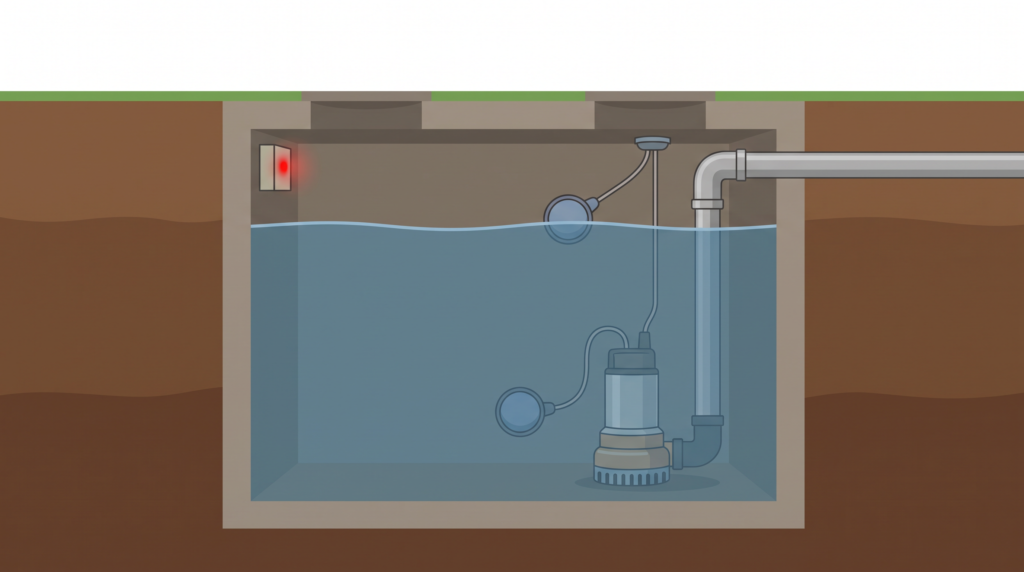
A septic alarm means water in the pump chamber has risen above its normal level. Here’s what to check first and how much time you actually have.
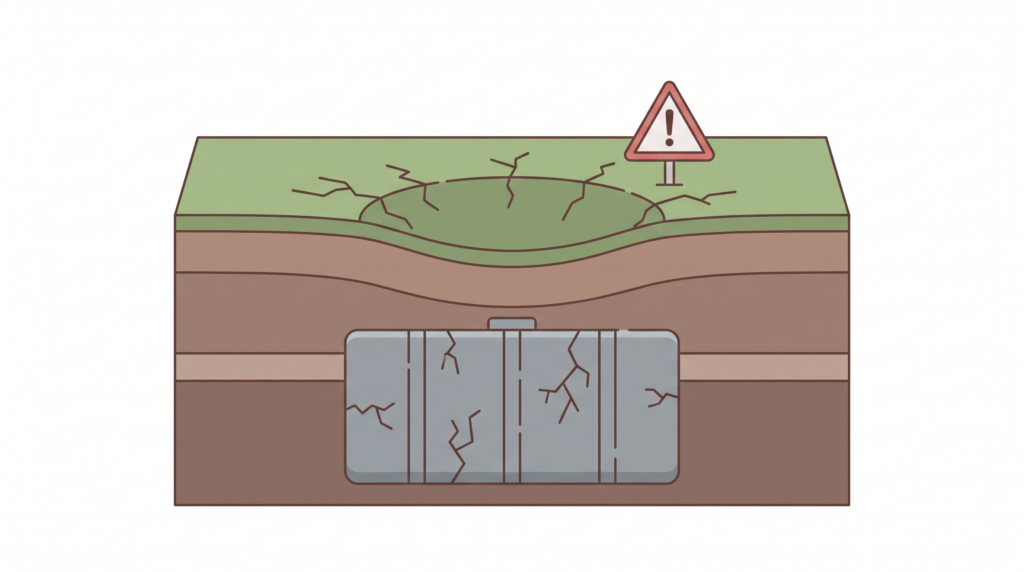
A collapsed tank is a fall and gas exposure hazard, not just a repair. Old, hidden tanks are the most dangerous kind, because the cover can look fine while the structure underneath is gone.
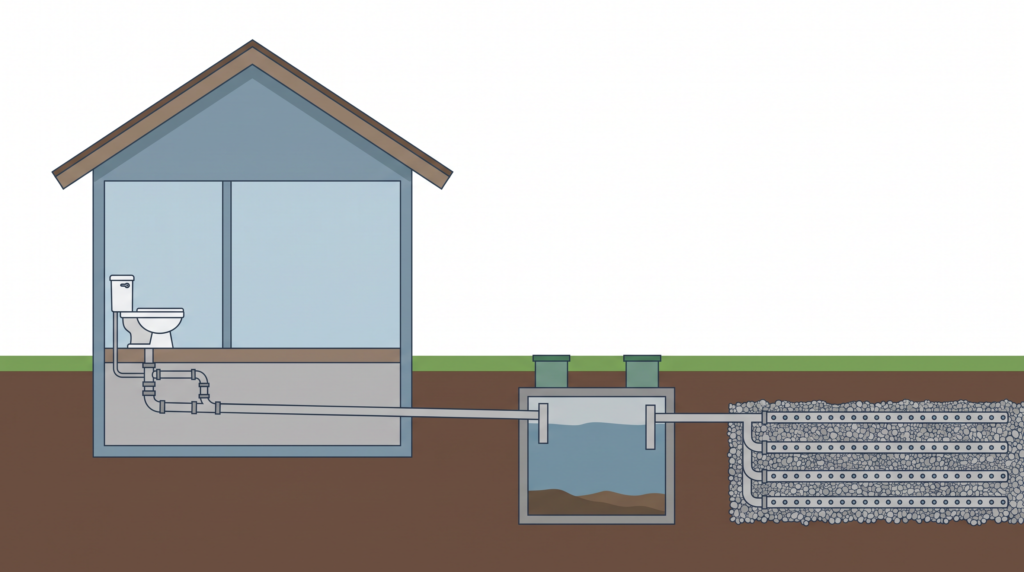
A gurgling toilet on septic usually means air is being pulled through your drain lines because wastewater can’t leave freely. Here’s how to tell which cause you have.
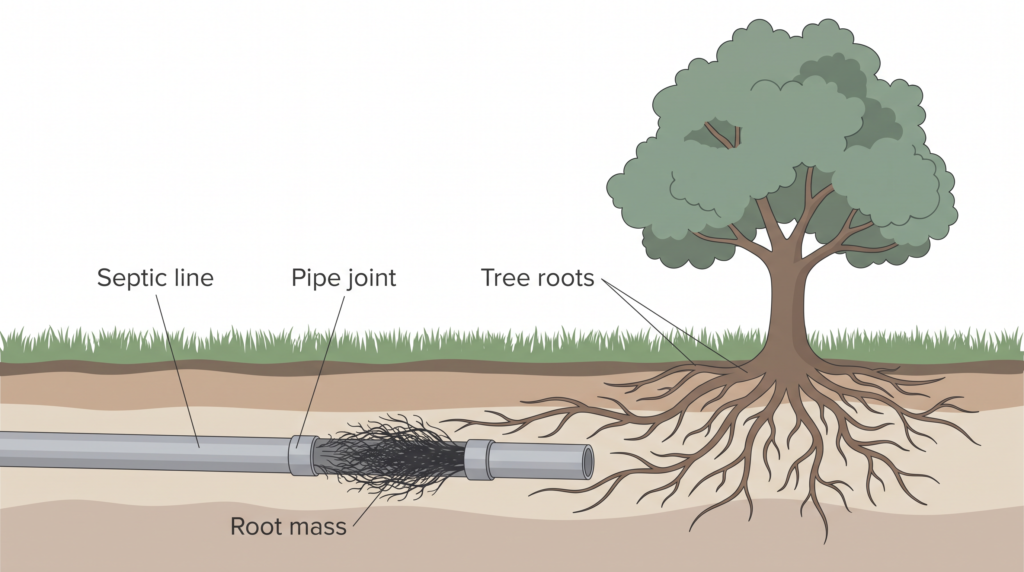
Roots don’t break into a healthy pipe. They find a joint that’s already leaking. That’s why monthly root treatments sold as prevention mostly aren’t.
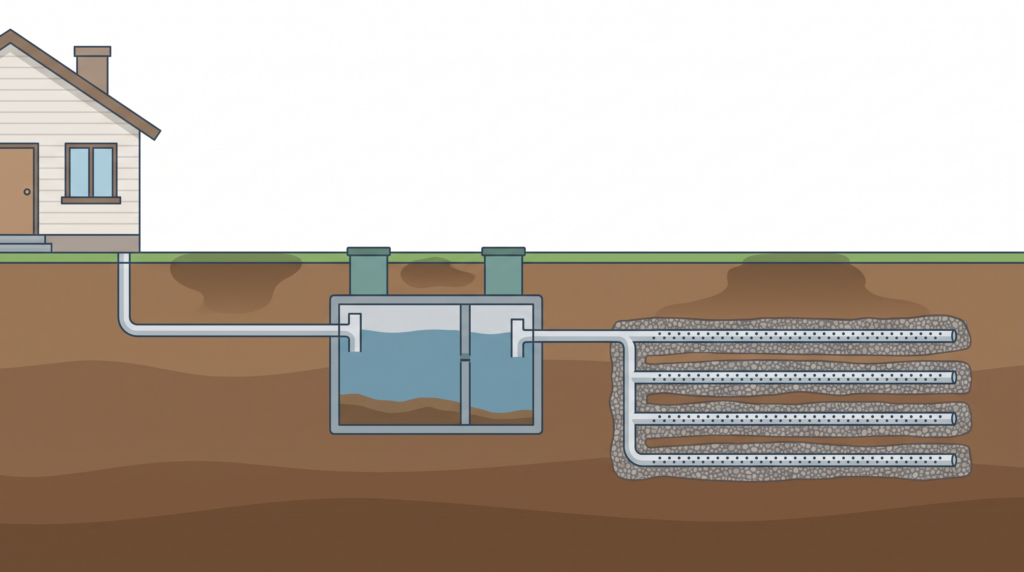
Soggy ground over a septic tank or drain field in dry weather means effluent is surfacing. Here’s how to work out which part of the system is failing.
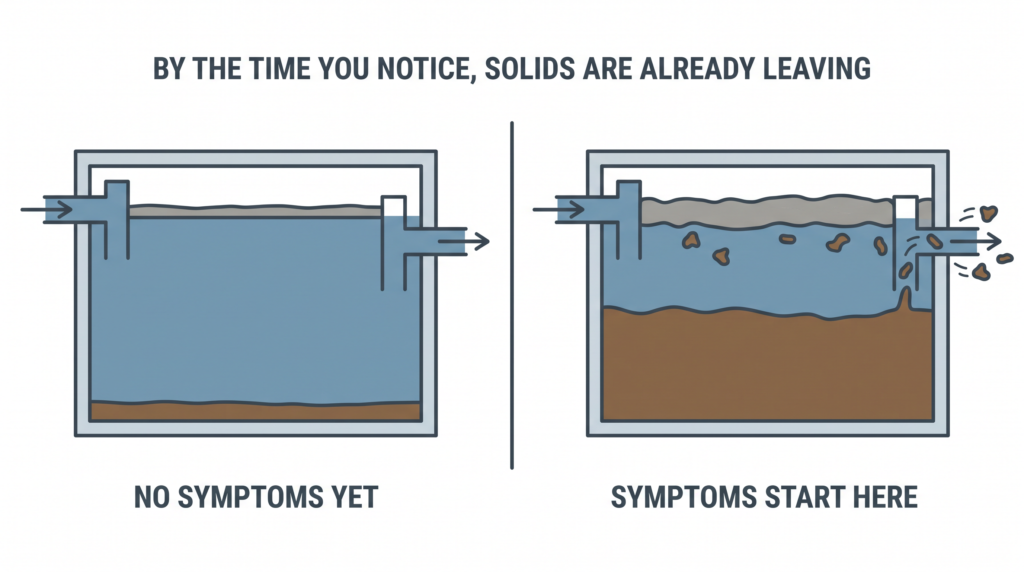
A sewage smell outdoors means gases or effluent are escaping the system somewhere. Where you smell it and when narrows the cause down fast.