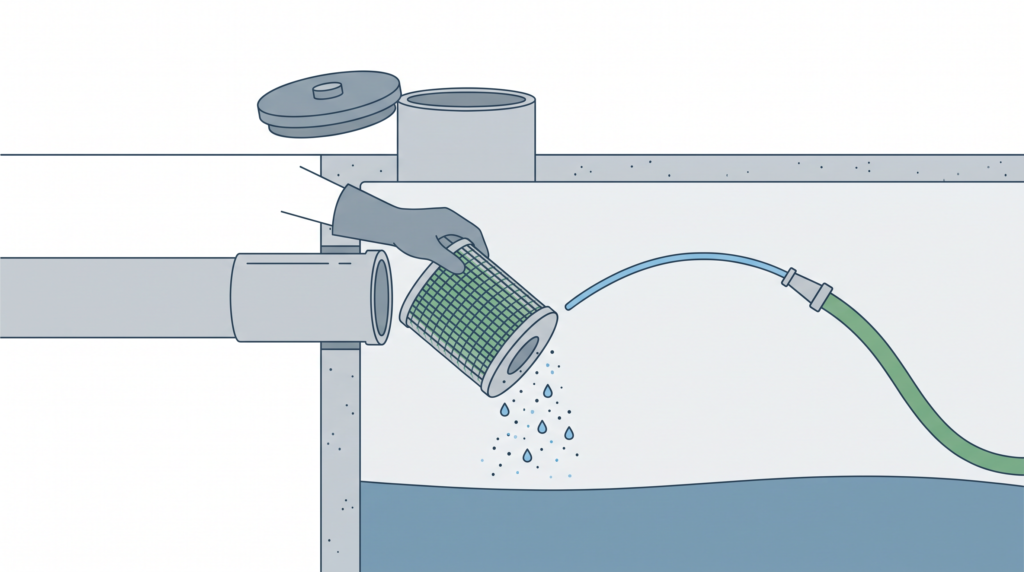
How to Clean a Septic Effluent Filter (And When To)
The effluent filter is the last thing standing between your tank and your drain field. It’s a simple homeowner task, and it’s the one most people don’t know exists until it’s already overdue.
How to keep a septic system working: pumping schedules, inspections, and what actually needs doing.
The effluent filter is the last thing standing between your tank and your drain field. It’s a simple homeowner task, and it’s the one most people don’t know exists until it’s already overdue.
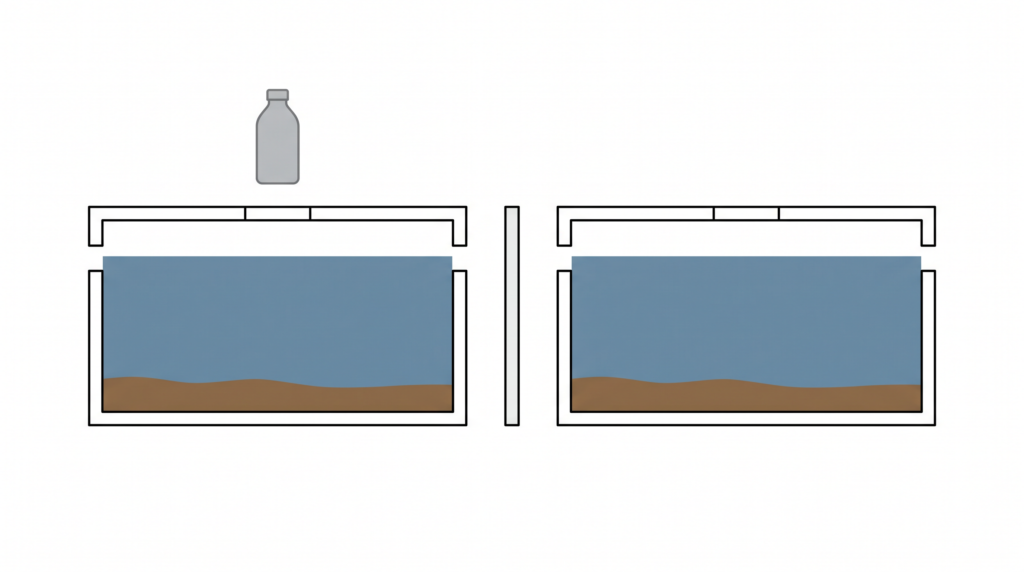
A 12-month study of 48 working septic tanks found bacterial additives made no measurable difference. Here’s what each type of product does and what actually works.
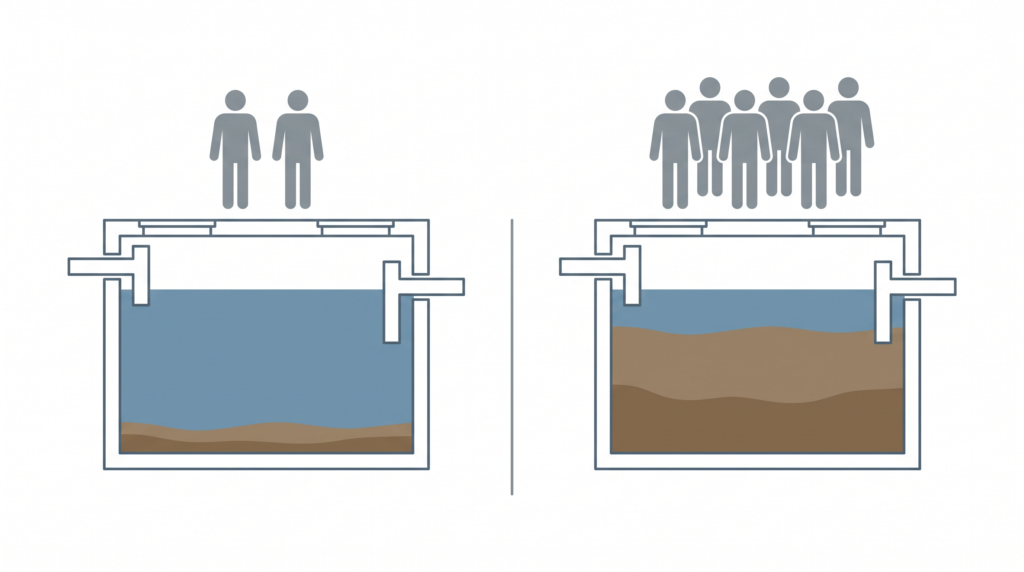
Every three to five years is the usual answer, but the real interval depends on your tank size and household. The same tank can need pumping every 1.5 years or every 6.
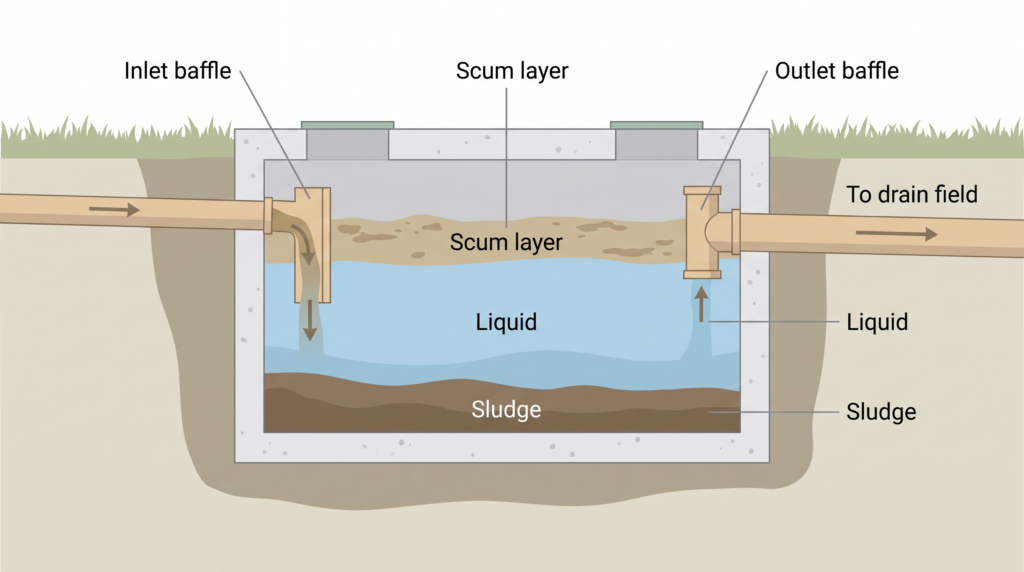
A failed outlet baffle sends solids straight to your drain field, and you won’t see a symptom until the damage is done. Here’s what each baffle protects.

One task actually protects your system, one costs nothing, and the rest just catch problems early. Here’s what to do monthly, yearly, and every few years, organized by what it actually buys you.
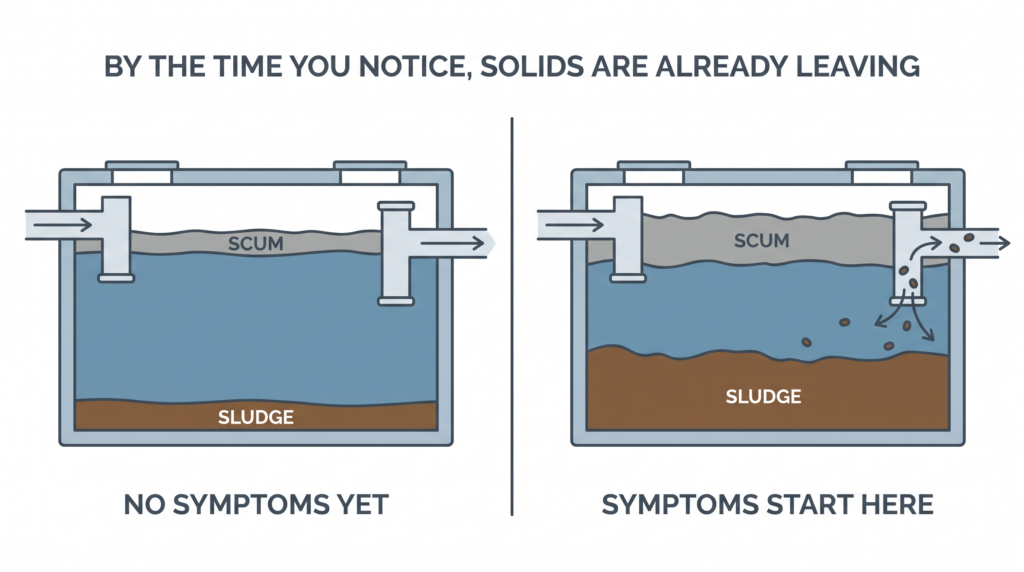
Every symptom that tells you a tank needs pumping appears after solids have already started reaching the drain field. Here’s what to watch for and why the calendar matters more.

A septic system in daily use rarely freezes. The ones that do usually sat empty, had a dripping faucet, or lost their snow cover. Here’s how to protect yours.