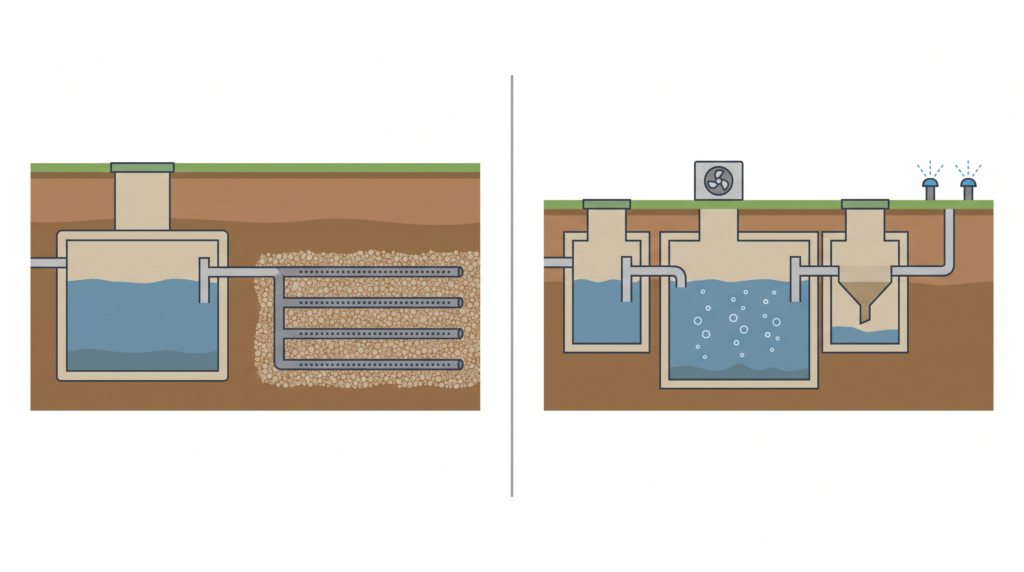
Aerobic vs Anaerobic Septic Systems: Which Do You Need?
Aerobic systems treat wastewater far more thoroughly but cost two to three times more and need servicing several times a year. One question decides which you need.
Aerobic systems treat wastewater far more thoroughly but cost two to three times more and need servicing several times a year. One question decides which you need.
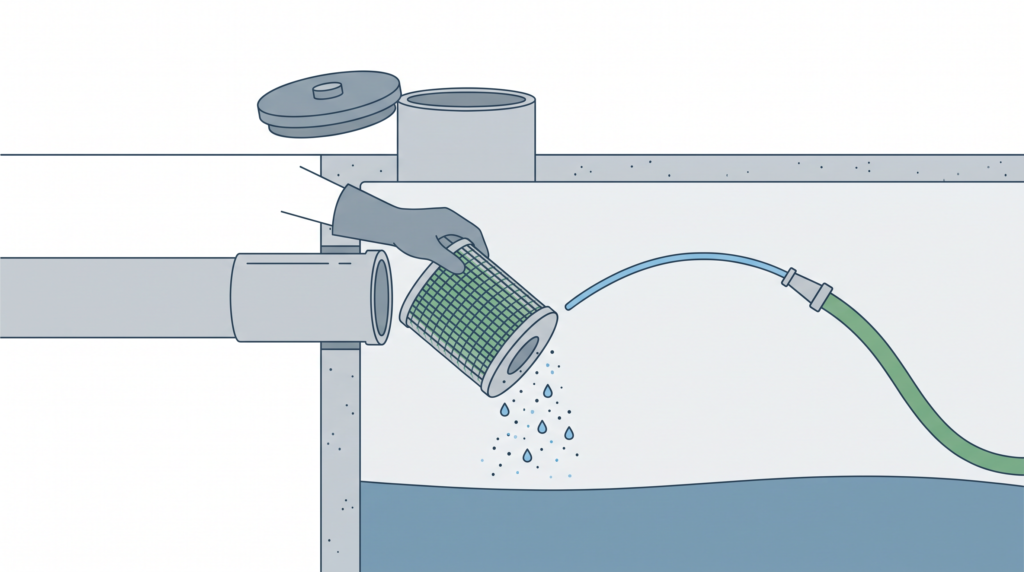
The effluent filter is the last thing standing between your tank and your drain field. It’s a simple homeowner task, and it’s the one most people don’t know exists until it’s already overdue.
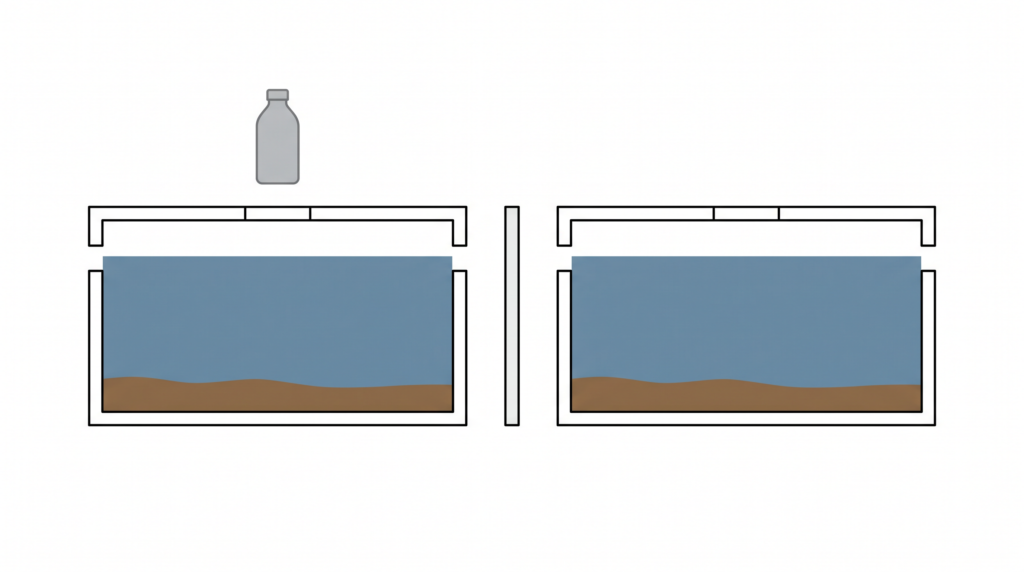
A 12-month study of 48 working septic tanks found bacterial additives made no measurable difference. Here’s what each type of product does and what actually works.
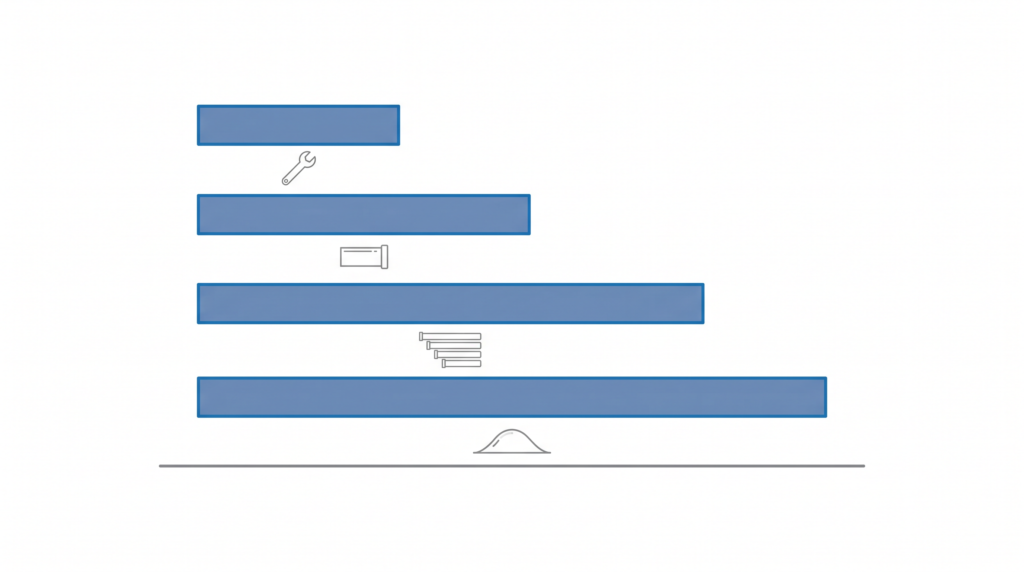
Full replacement runs $5,000 to $20,000, but repair options start around $1,000 and most people never hear about them. Here’s what drives the price and what to check in a quote.
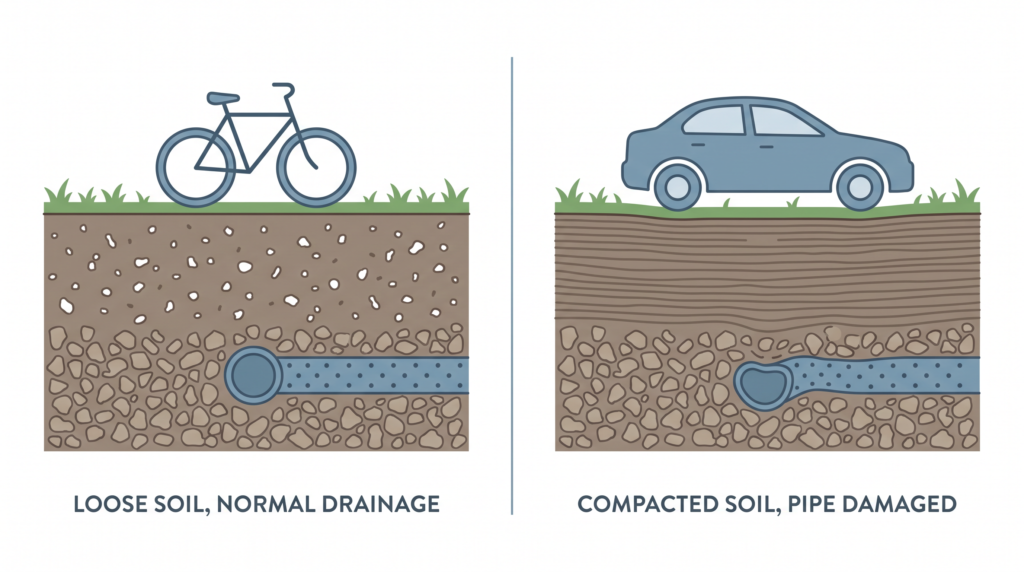
A parked car and a loaded concrete truck cause damage through the same mechanism, just at different speeds. Here’s what actually happens under the soil, and which vehicles are genuinely fine.
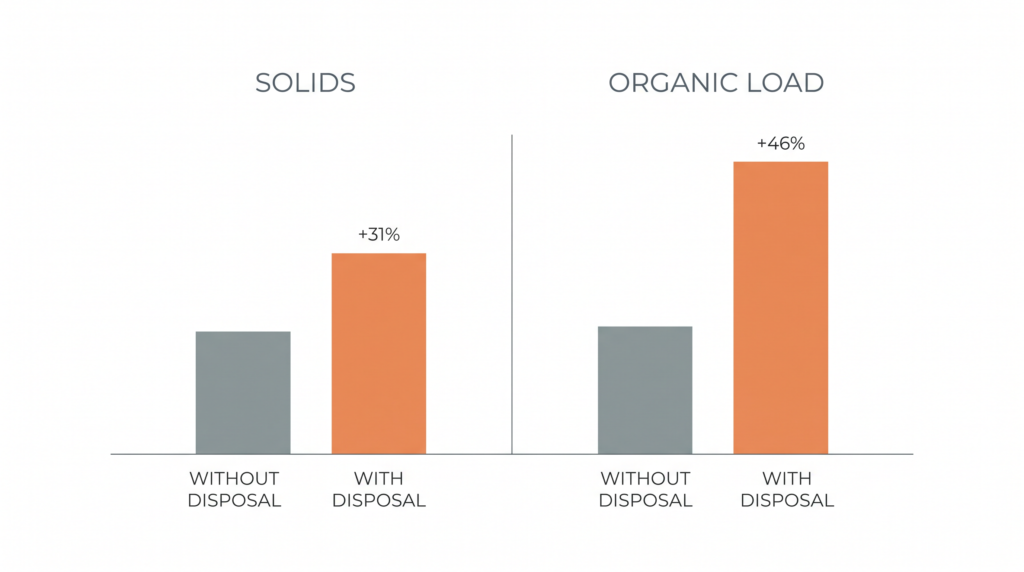
A garbage disposal doesn’t damage a septic system directly, but a controlled study found it raises solids in the tank by nearly a third. Here’s what that means for your pumping schedule.

Grease doesn’t stop at your tank. The fine particles carry through to the drain field and seal the soil, which is the failure you can’t repair.
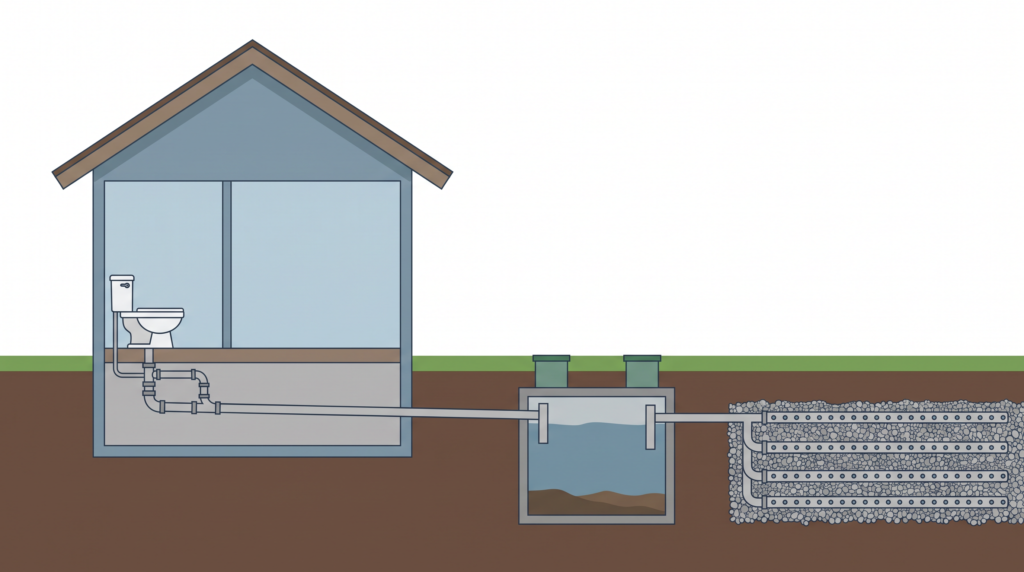
Four parts, one job: separate solids, then let soil finish the treatment. Understanding which part does what tells you why everything that goes wrong, goes wrong.
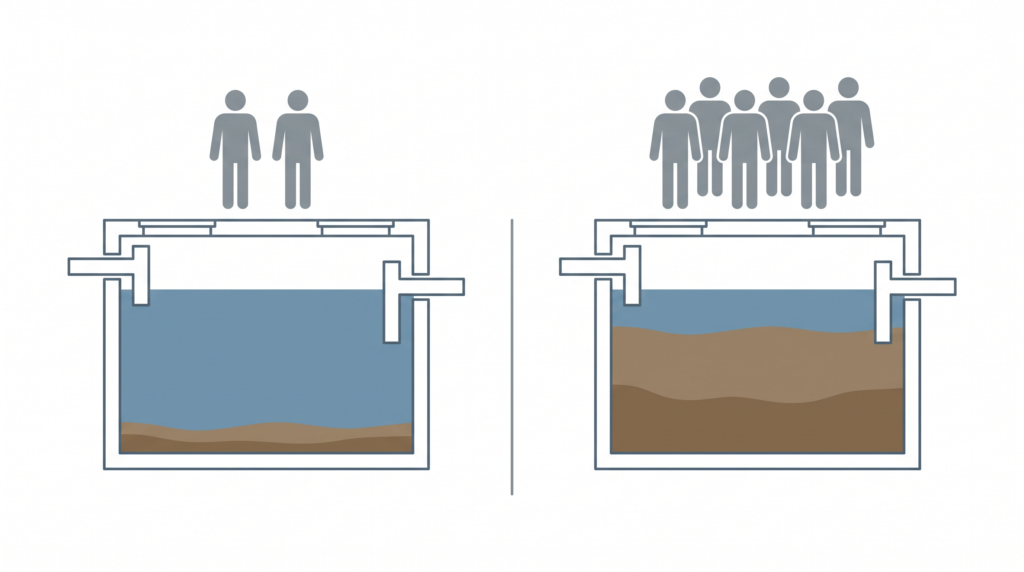
Every three to five years is the usual answer, but the real interval depends on your tank size and household. The same tank can need pumping every 1.5 years or every 6.
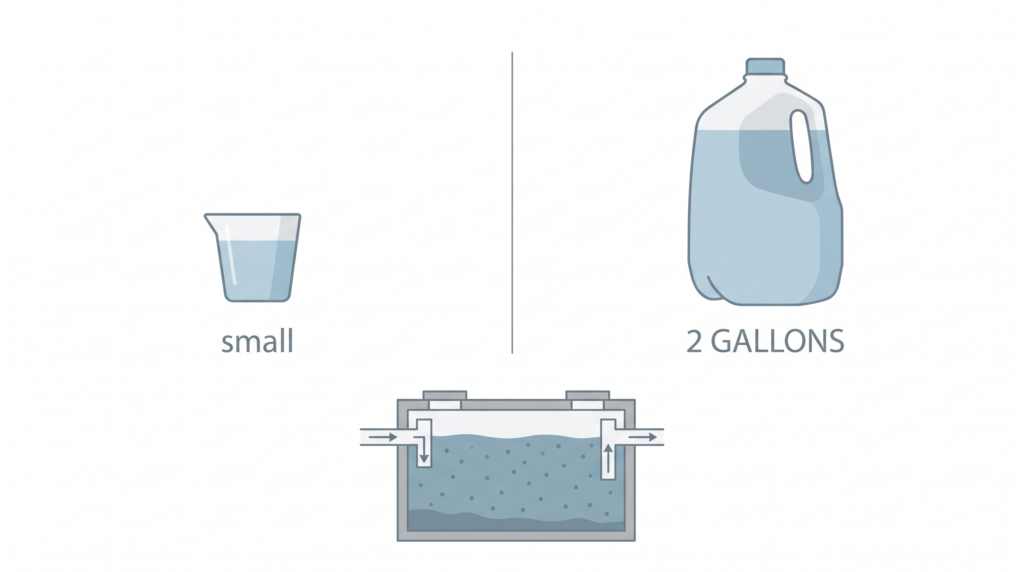
Normal household bleach use will not kill your septic tank. Research shows what quantity actually does, and it is far more than you think. Here are the real limits.